Staging Isn't Decorating: Here's What Actually Makes a Home Market-Ready
If you think home staging means adding throw pillows, removing your personality and making everything beige… we need to talk.
Staging gets a bad reputation. Sometimes it conjures images of completely empty rooms, generic artwork, matching furniture and a suspicious number of faux plants.
And while, yes, a beautiful throw pillow has its place (we're not monsters), staging isn't decorating. Decorating is about creating a home you love to live in. Staging is about creating a home that buyers can fall in love with.
Those are two very different jobs.
So, What Is Home Staging?
At its simplest, home staging is the process of preparing a property to appeal to the greatest number of potential buyers… But at Home & Harbour, I think about it slightly differently.
Staging is strategic editing.
It's looking at your home through a buyer's eyes and asking:
What do we want them to notice first?
What makes this room feel special?
What's distracting from the architecture or layout?
Does the furniture make the space feel bigger or smaller?
Can buyers easily understand how the room is meant to be used?
Does the home feel cared for?
And most importantly: can they picture themselves living here?
That's the work. The pretty stuff comes later.
Decorating Asks: “What Do I Like?”
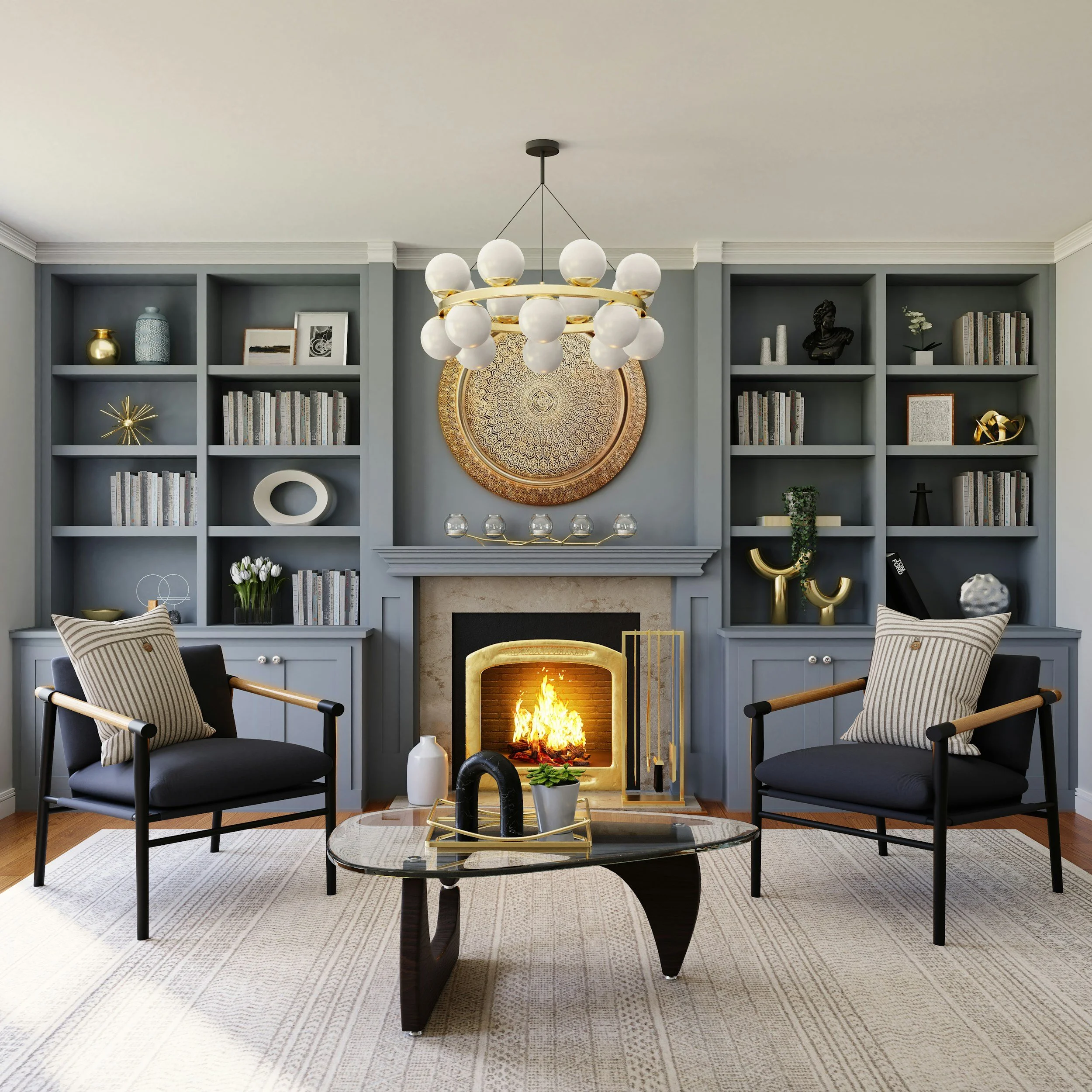
This is where things get interesting. Your home should absolutely reflect your taste while you live there.
Maybe you love deep green walls. Maybe you collect pottery. Maybe you have a gallery wall of family photographs. Maybe your giant sectional is the most comfortable thing you've ever owned.
And that's wonderful. But selling a home is a different exercise. When you're selling, the question becomes:
“What will help a buyer see the potential in this home?”
That doesn't mean removing every trace of personality. It means knowing which elements are helping and which are getting in the way.
Market-Ready Doesn't Mean “Perfect”
This is an important distinction. Your home doesn't need to be magazine-perfect before you list it.
It needs to feel:
Clean.
Cared for.
Intentional.
Bright.
Functional.
Inviting.
And it needs to allow buyers to focus on the things they're actually buying: the space, the layout, the light, the location and the lifestyle.
A buyer shouldn't walk into your living room and spend the first five minutes wondering why there's a treadmill blocking the window. They should be thinking:
“I could see myself having coffee here.”
That's the difference.
“I don’t want your home to look like a hotel room. I want it to feel beautiful, welcoming and easy to imagine living in.”
The Four Things I Look At First
When I walk into a home that is preparing to sell, I'm not immediately thinking about what décor we should add.
I'm looking at four things.
1. Furniture & Flow
Furniture can completely change how large—or small—a room feels. The goal isn't necessarily to have more furniture. It's to have the right amount of furniture in the right places. Sometimes that means removing a piece. Sometimes it means moving the sofa. Sometimes it means turning a room back into the room it was designed to be.
A beautiful piece of furniture in the wrong place is still in the wrong place.
2. The Focal Point
Every room has a story. Maybe it's the fireplace. Maybe it's a spectacular window. Maybe it's the kitchen island. Maybe it's that gorgeous original millwork you've been taking for granted for the last ten years.
I want buyers to see that first.
If their eye immediately lands on clutter, a giant television, an overflowing bookshelf or the laundry you've been meaning to fold since Tuesday... We have some editing to do. Good staging directs attention.
3. Visual Clutter
Here's something homeowners often don't realize:
Clutter doesn't have to mean messy.
Your home can be spotless and still feel visually busy. Too many things on the kitchen counters. Too many small pieces of furniture. Too much artwork. Too many competing colours. Too many objects on every available surface. When everything is asking for attention, nothing gets it. Staging creates breathing room. And breathing room makes spaces feel larger, calmer and more desirable.
4. The Feeling
This is the one I care about most. Because buyers don't make decisions based entirely on a spreadsheet. They walk through a house and feel something. They imagine Sunday mornings, picture hosting friends, imagine where the Christmas tree might go, see themselves coming home after work, mentally place their own furniture in the living room. They start building a life there.
That's emotional buying. And good staging creates the conditions for that to happen.
Depersonalizing ≠ Sterilizing
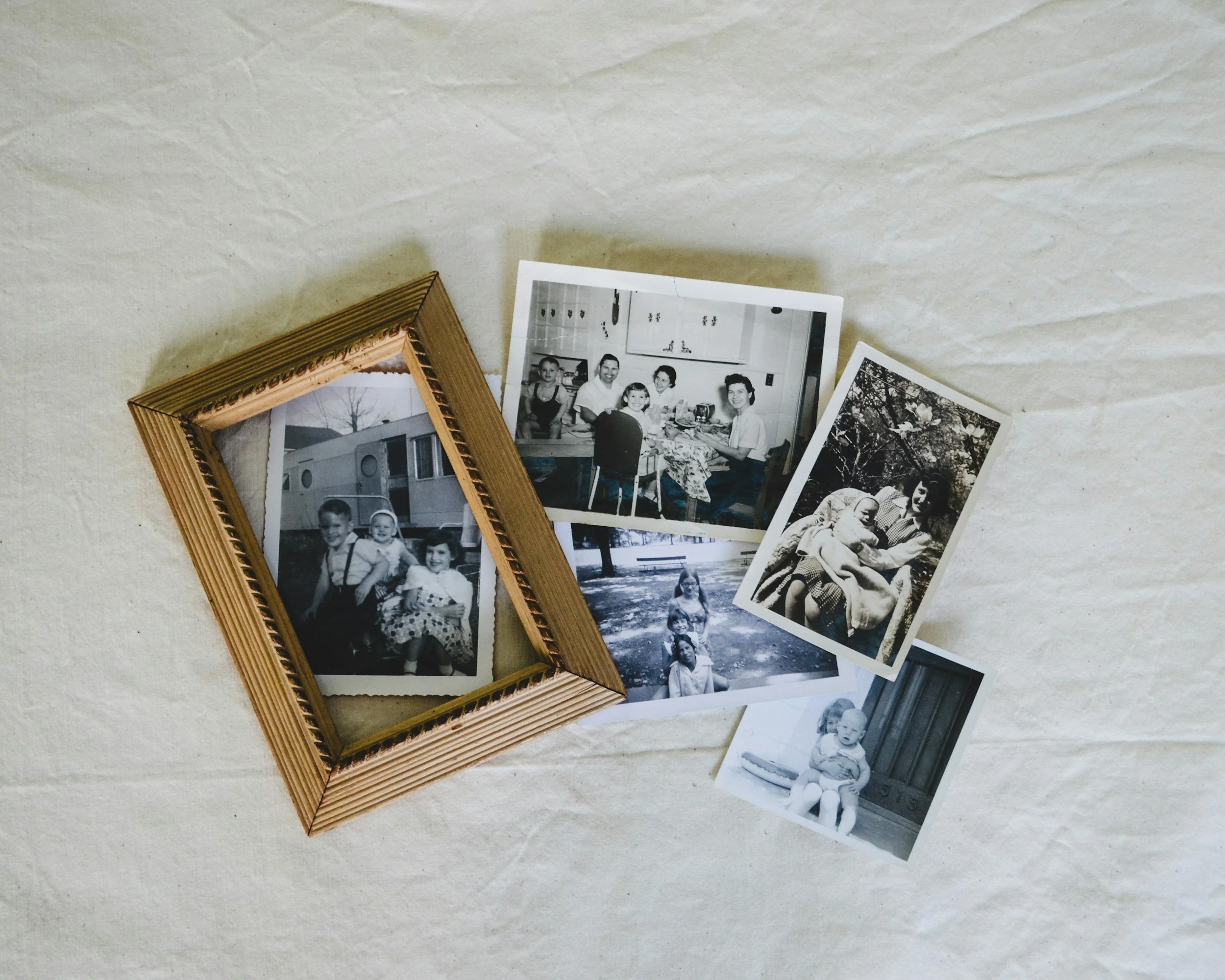
This might be my favourite Home & Harbour philosophy. You've probably heard that you should “depersonalize” your home before selling. And yes—sometimes family photos, collections and highly personal décor need to be edited. But depersonalizing doesn't mean making your home completely devoid of personality.
I don't want your home to look like a hotel room. I want it to feel beautiful, welcoming and easy to imagine living in.
There's a difference between “Nobody lives here.” and “I could live here.”
We're aiming for the second one.
Do You Need to Buy New Furniture?
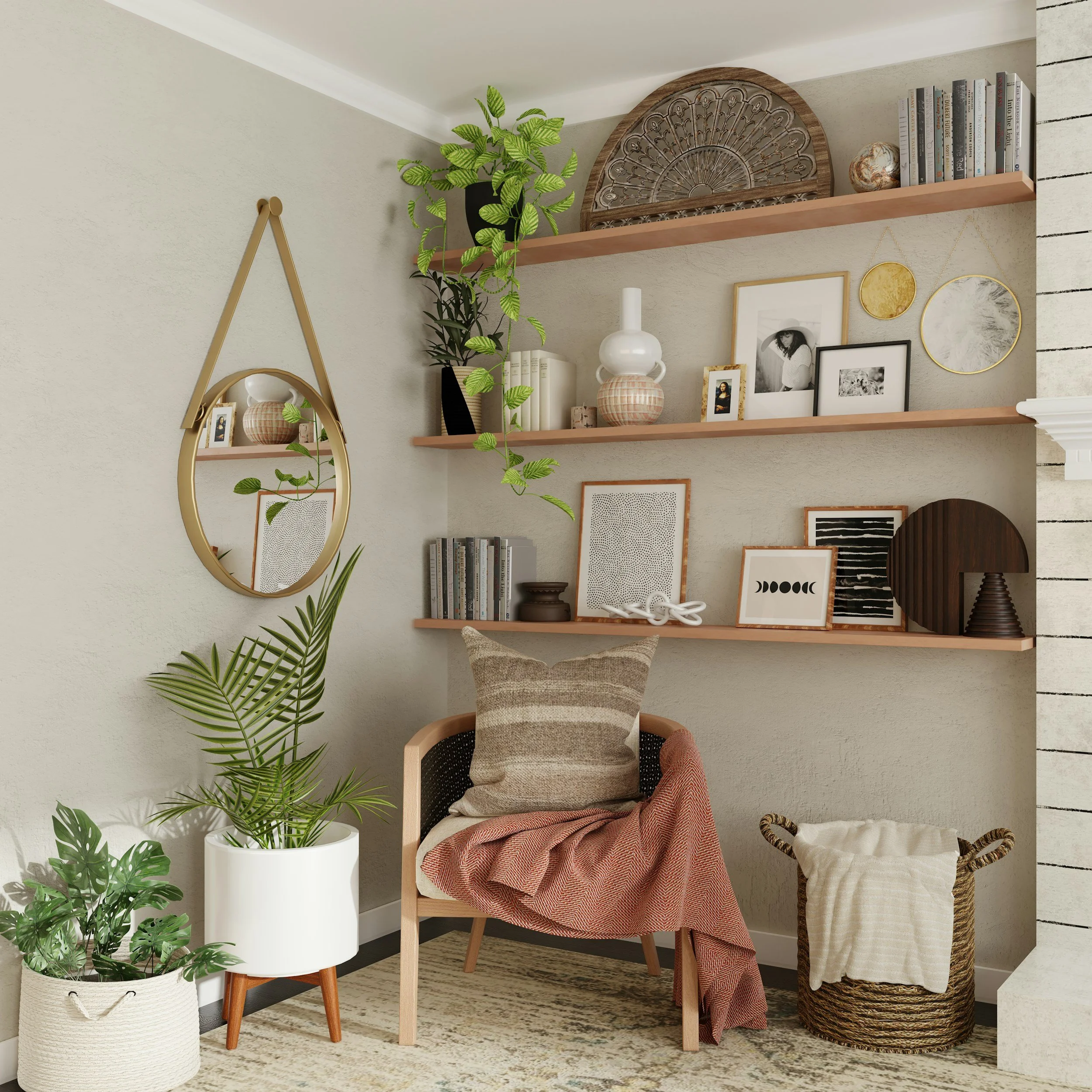
Probably not. At least, not before we look at what you already have. One of the biggest mistakes I see sellers make is shopping before they've edited.
New pillows.
New art.
New rugs.
New lamps.
New everything.
Suddenly you've spent $2,000 trying to solve a problem that could have been fixed by moving the sofa.
At Home & Harbour, the order is:
**Edit first. Style second.
Shop last.**
And when we do shop, we're strategic about it.
What Actually Makes a Home Market-Ready?
It's not a particular decorating style, it’s not making everything white, it’s not buying expensive furniture, and it's definitely not copying the latest Instagram trend.
A market-ready home is one where:
The space is easy to understand.
The best features are obvious.
The furniture supports the layout.
The rooms feel spacious and functional.
The home feels clean and cared for.
The photography will show the property at its best.
And most importantly:
A buyer can start imagining their life there.
Thinking About Selling?
Before you start renovating, shopping or packing your entire house into a storage unit, start with an edit.
What does your home actually need?
That's exactly what The Harbour Consultation is designed to answer. We'll walk through your home together, identify the opportunities and create a practical plan for getting it market-ready—whether you want to tackle the work yourself or bring Home & Harbour in to help.
Because staging isn't about decorating your home for someone else, it's about helping the right buyer see themselves in it.