Thinking about selling your home? Before you spend thousands on renovations or fill your shopping cart with new décor, let’s talk about where your money will actually make a difference.
If I were preparing your home for sale, I wouldn't start by shopping.
I'd start by editing.
Because one of the biggest misconceptions about home staging is that you need to spend a fortune to make your home “market ready.” You don't.
In many cases, a few thoughtful changes can make a home feel brighter, cleaner, more intentional and—most importantly—easier for buyers to picture themselves living in.
So if you handed me $200 and asked me to spend it wisely, here's where I'd put it.
1. Fresh Light Bulbs: $20–$30
This might be the least glamorous item on the list, but it can make a surprisingly big difference.
Walk through your home in the evening and turn on every light.
Are some bulbs noticeably warmer than others? Is one room much darker than the rest? Are there burnt-out bulbs hiding in fixtures?
Before listing, I'd replace inconsistent or tired-looking bulbs and make sure the home feels bright, warm and inviting.
And don't forget exterior lighting. Buyers may drive past your home in the evening, and a welcoming entrance creates a better first impression.
Home & Harbour philosophy: Good lighting doesn't just illuminate a room. It changes how the room feels.
2. New Towels: $30–$40
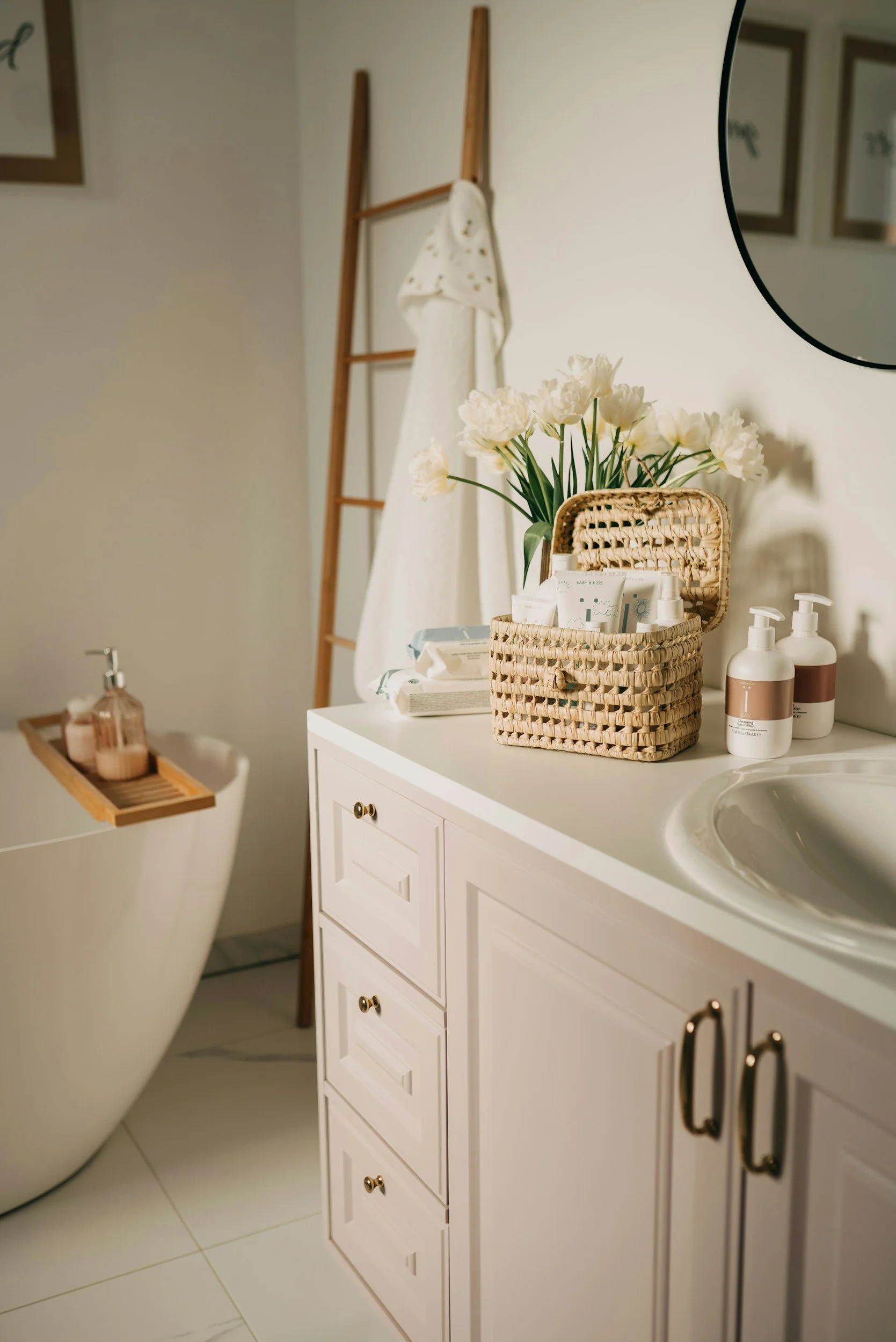
If your bathroom towels have seen better days, this is an easy win.
You don't need a bathroom renovation. You need the bathroom to feel fresh and cared for.
I'd choose simple, neutral towels and keep the styling minimal.
Think:
Fresh white or neutral towels
A clean bath mat
A simple soap dispenser
Maybe a small plant or piece of greenery
And then put your everyday collection of 17 products somewhere buyers can't see them.
Your bathroom should say “spa-like”, not “I have a skincare addiction.”
3. Simple Greenery: $20–$30
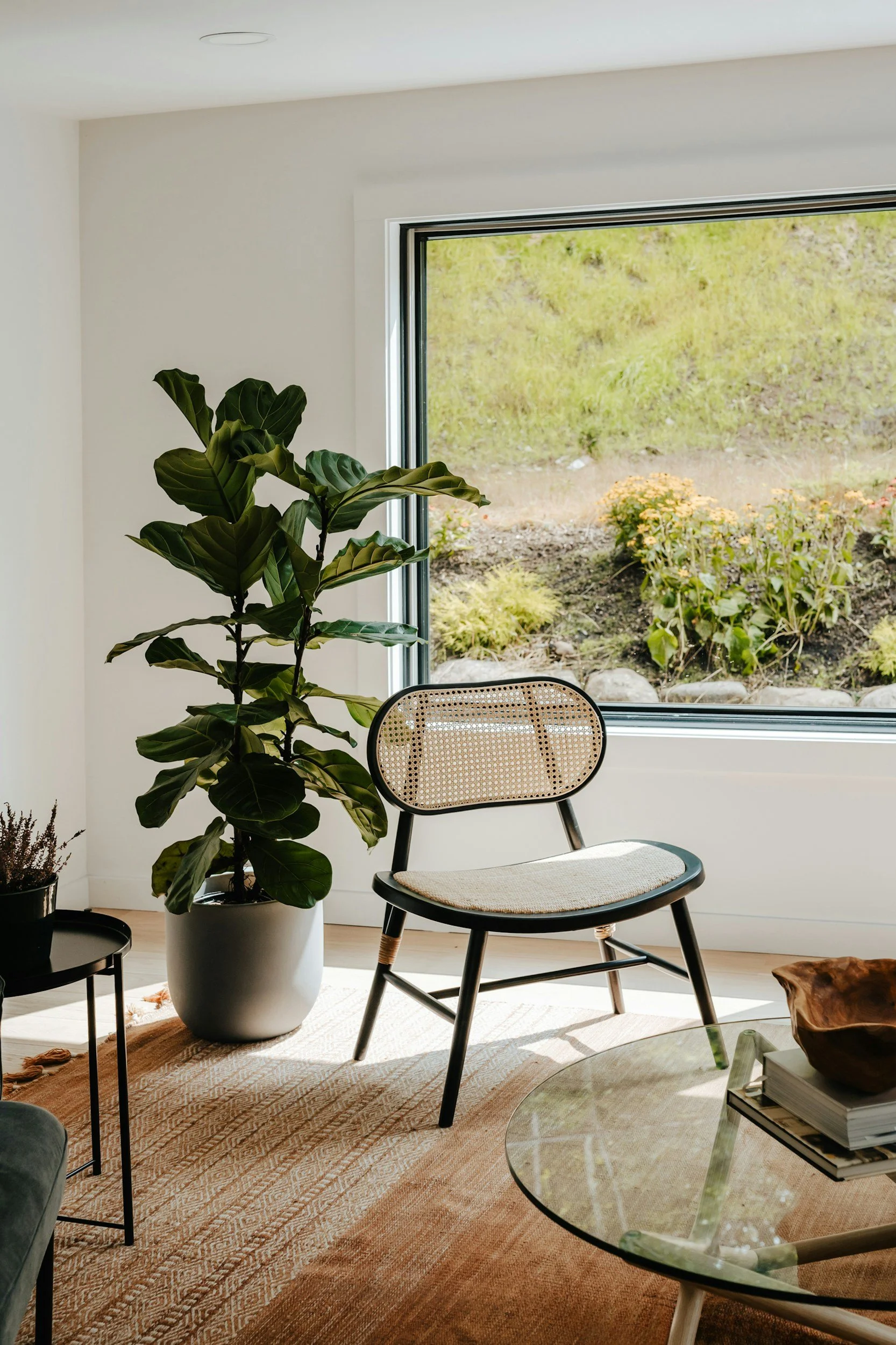
A little greenery can bring life into a space without making it feel overly decorated.
You don't need a jungle.
One beautiful plant in an empty corner can help add scale. A small arrangement on a kitchen island can soften a space. A simple stem or branch can add interest to an otherwise empty bathroom.
And if you're not a plant person?
That's what very convincing faux greenery is for.
The goal isn't to decorate every surface. It's to add just enough life to make the home feel welcoming.
“There isn’t a universal $200 shopping list for selling a home.”
4. The Entryway: $20–$30
Your entryway gets approximately five seconds to make an impression.
Don't waste them.
I'd spend a little money here if the space needs it.
That might mean:
A simple doormat
A fresh planter
A small basket
A new light bulb
A clean, uncluttered console
A simple mirror
The entry doesn't need to be impressive.
It needs to make buyers think:
“Oh, I like it here.”
That's the feeling we're after.
5. Hardware: $30–$50
This one depends entirely on the house.
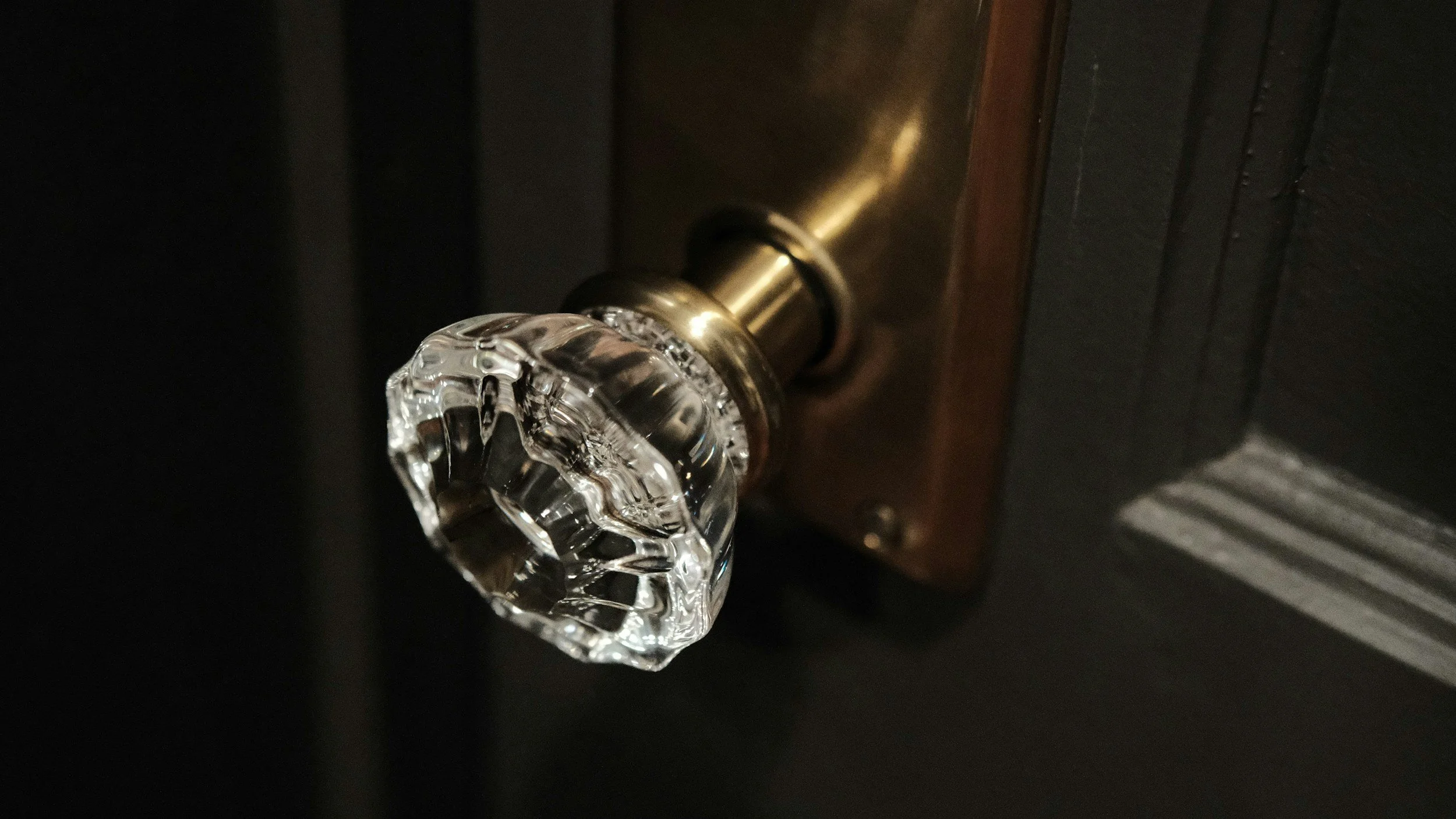
If your kitchen or bathroom has dated, mismatched or particularly tired hardware, replacing it can be one of the easiest ways to give a room a subtle refresh.
But—and this is important—don't replace perfectly good hardware simply because you saw something pretty at HomeSense.
Look at the whole room first.
If the existing hardware is functional, cohesive and relatively timeless, keep it.
If it is noticeably dating the space, then we can talk.
And What Would I NOT Spend Your $200 On?
This is arguably the more important part.
Because sellers often spend money on things that feel productive without actually improving how the home presents to buyers.
❌ A bunch of new décor
You probably don't need 14 new throw pillows.
Before you buy anything, let's see what you already own.
We can rearrange it, edit it, move it to another room or remove it entirely.
Edit first. Shop second. Always.
❌ A massive renovation
If you're planning to sell soon, I would be extremely cautious about taking on a major renovation solely for resale.
A new kitchen might be beautiful.
It also might be completely different from what your eventual buyer would have chosen.
Before spending $30,000, $50,000 or more, let's figure out whether the space actually needs renovating—or simply needs better presentation.
❌ Trendy finishes
You don't need to make your home look like the latest Pinterest trend.
In fact, you usually shouldn't.
The goal is to create a home that feels current, cared for and broadly appealing, not one that looks like it was designed specifically for Instagram in 2026.
❌ Things buyers can't see
This is one of my favourite rules.
Don't spend thousands perfecting something that buyers aren't going to notice while there are inexpensive, highly visible things that still need attention.
If the front door is looking tired, the living room is overcrowded and the lighting is terrible, I'd address those before worrying about the inside of a closet.
So, How Would I Spend the $200?
Something like:
Refresh
Approx. Budget
Fresh light bulbs
$25
New bathroom towels
$35
Greenery
$25
Entryway refresh
$30
Hardware
$50
Touch-up paint/supplies
$35
Total
$200
Of course, every home is different.
And that's really the point.
There isn't a universal $200 shopping list for selling a home.
The best use of your money depends on what your home already has, what it needs and—most importantly—what a buyer is going to notice.
The Home & Harbour Approach
At Home & Harbour, we don't believe preparing your home for sale means stripping it of everything that makes it yours.
And we definitely don't believe you need to spend thousands of dollars on new things just because you're selling.
We believe in thoughtful editing, strategic styling and spending money where it actually counts.
Because the goal isn't to create a generic house.
It's to create the best possible version of your home for the market.
So before you open Amazon, head to HomeSense or start pricing out a new kitchen...
take a breath.
Your home might need less than you think.
And if you're not sure where to start, that's exactly what The Harbour Consultation is for.
We'll walk through your home together, identify the opportunities and create a practical plan for getting it ready to sell—with the goal of making smart improvements rather than unnecessary ones.
Ready to get your home market-ready?